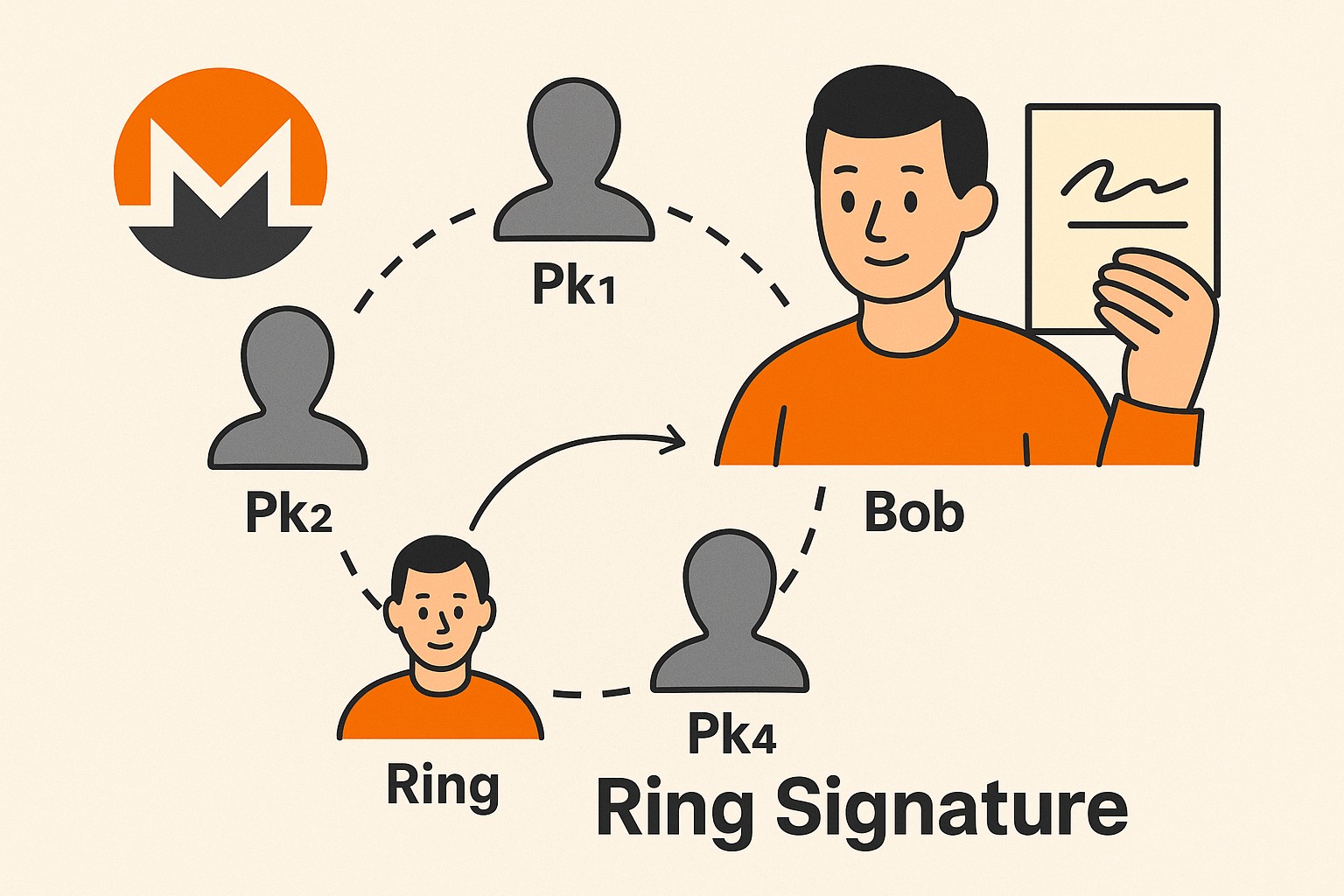
Every Bitcoin transaction contains one or more digital signatures. These signatures authorize the spending of funds, but they can also inadvertently reveal information about...
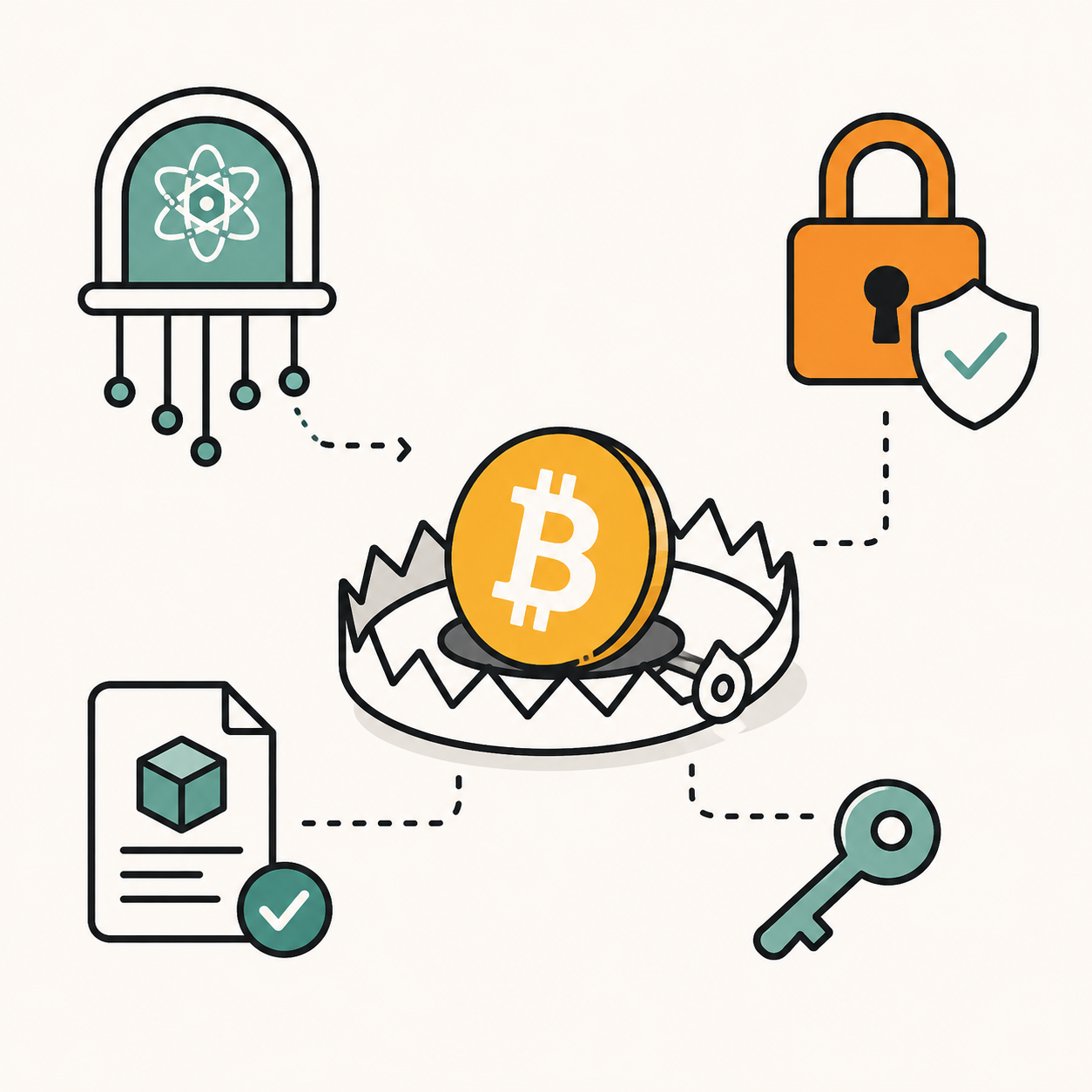
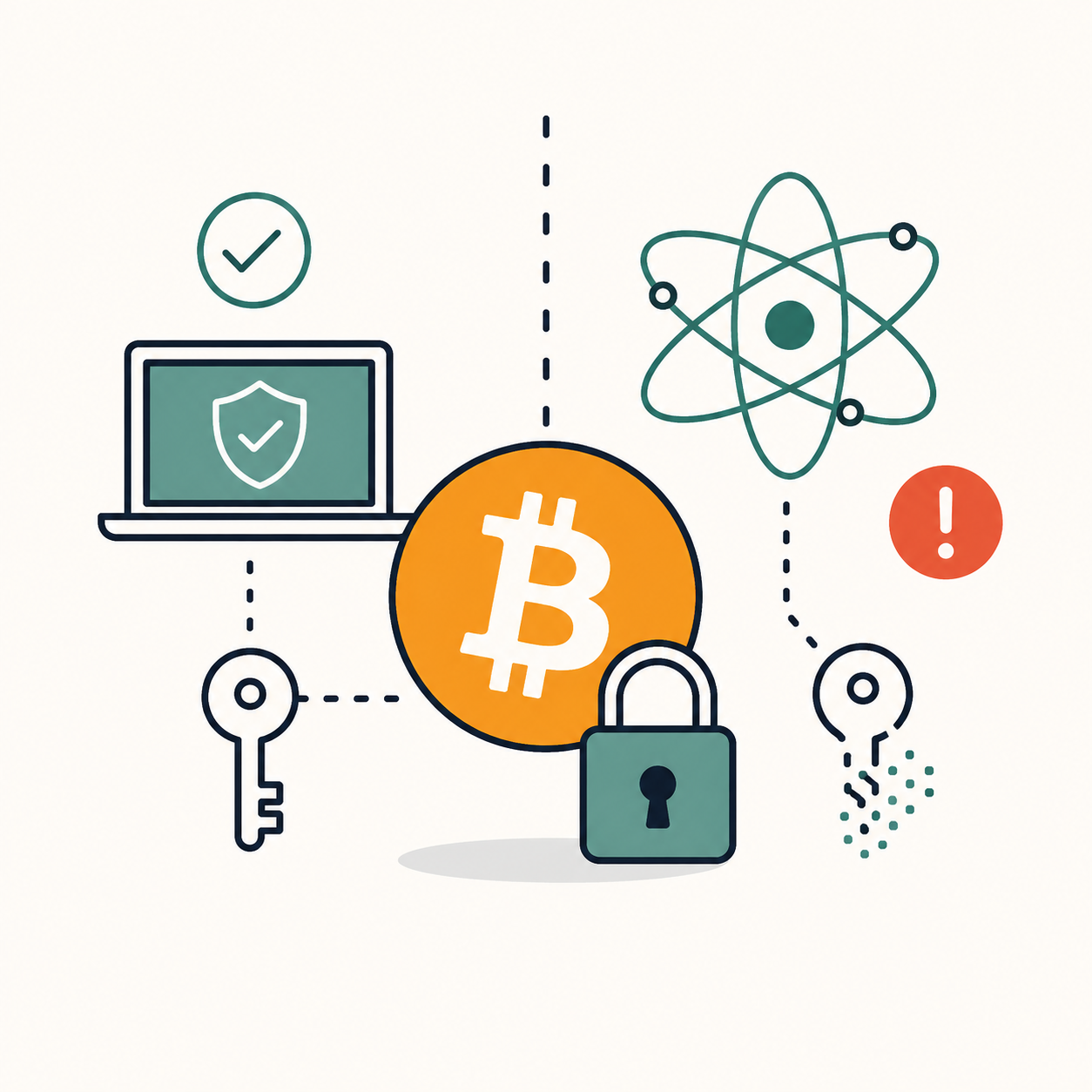
1. Introduction: The Threat of Cryptographically Relevant Quantum Computers (CRQC) A Cryptographically Relevant Quantum Computer (CRQC) represents a generational leap in computational capability, specifically...
When we talk about self-custody and protecting our bitcoins, we understand that the seed used to generate our private keys must be completely isolated...
Bitcoin and cryptocurrencies in general use cryptography to ensure the ownership of coins, among many other aspects. The security is based on “hard” problems...
During my initial research period at UAB, I began developing a replica of the real Bitcoin mainnet. While this might sound unusual—especially given the...
📊 Bitcoin’s Decentralization: What the Data Really Says Bitcoin is intended to be a decentralized, trustless peer-to-peer currency. But how decentralized is the network, really, 15...
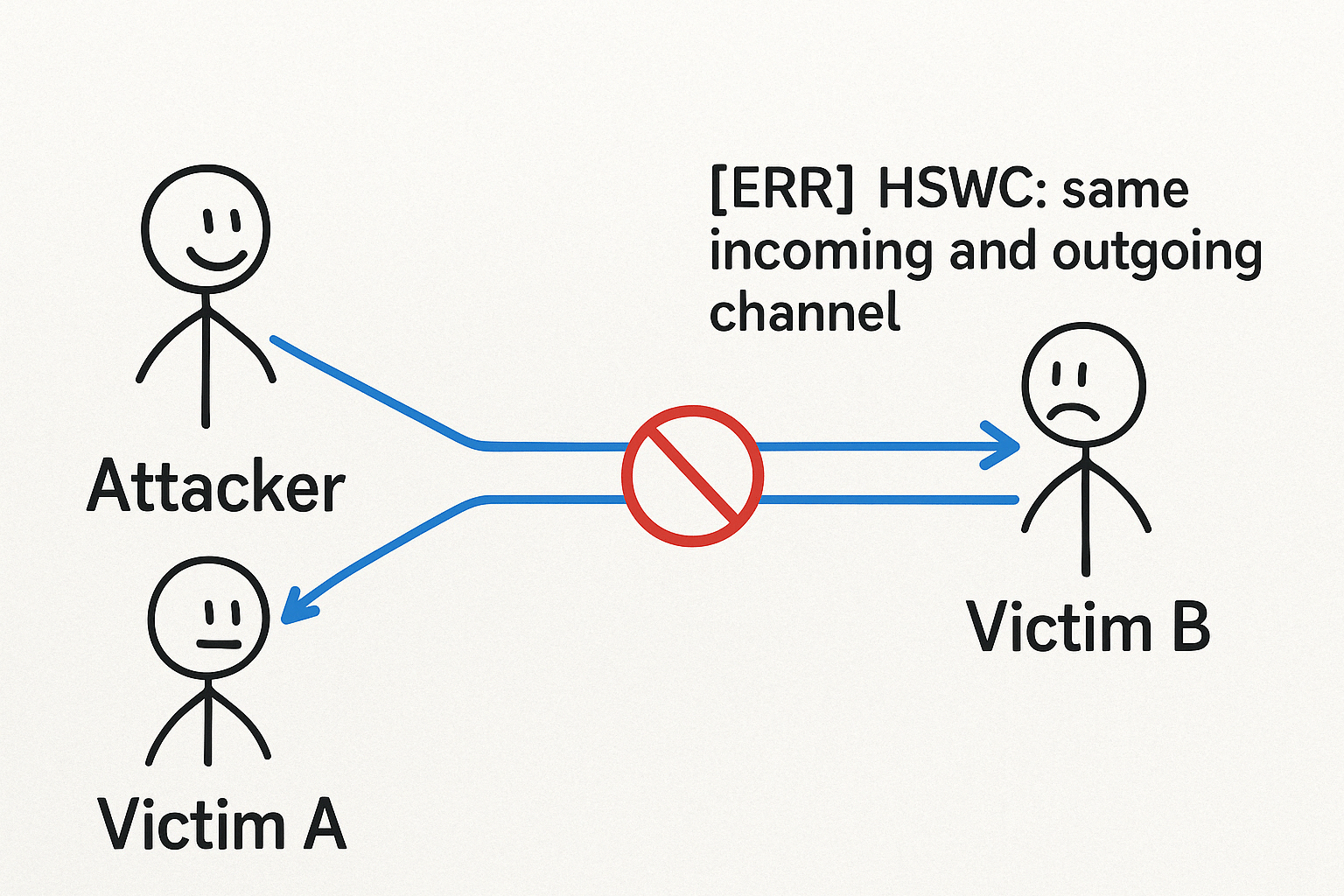
The Lightning Network (LN) is a dynamic and constantly evolving second-layer scaling solution for Bitcoin, designed to enable fast, low-cost transactions. Recently, the network...
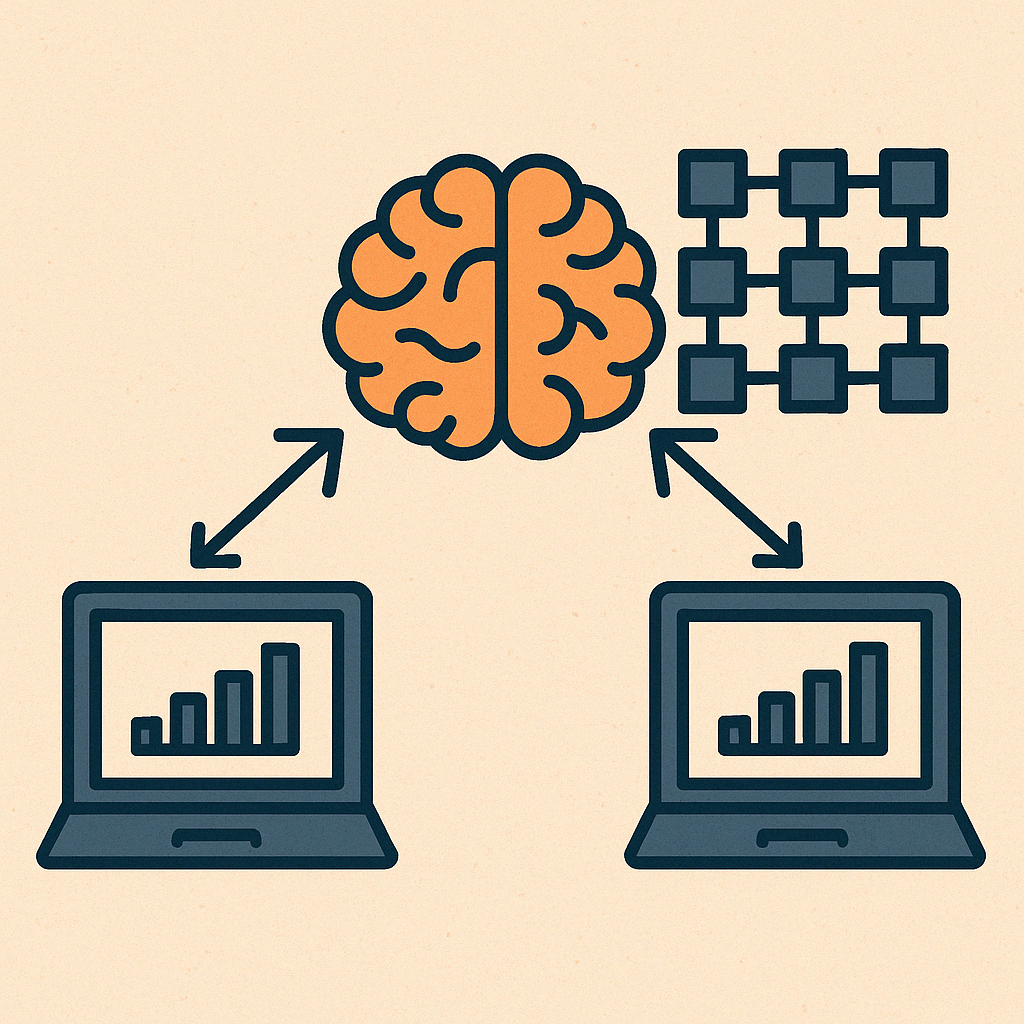
By Ghazaleh Keshavarzkalhori, Cristina Perez-Sola, Guillermo Navarro-Arribas, Jordi Herrera-Joancomartí, and Habib Yajam In a world where data privacy is more important than ever, federated learning has...